
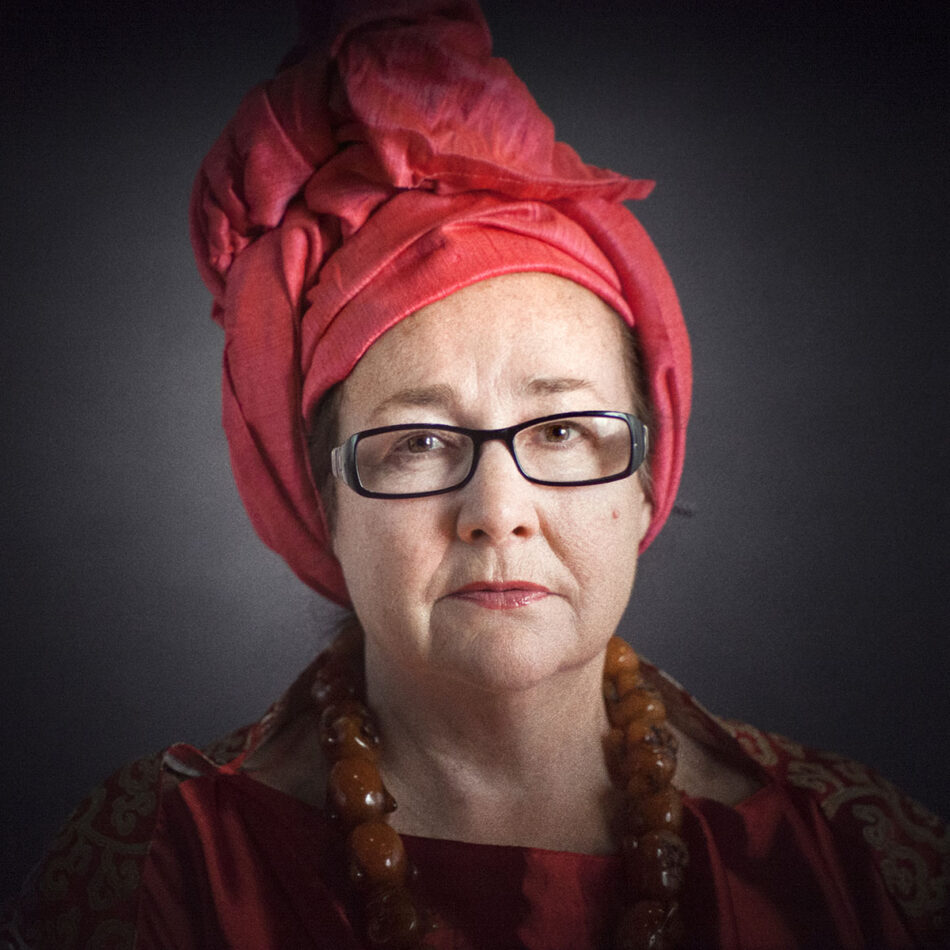
Kim, age 59 | Melbourne, Australia
I first learned I was positive in 1994. I was unwell and went to a friend of mine who was my doctor as well, and he just threw every test at me …
I first learned I was positive in 1994. I was unwell and went to a friend of mine who was my doctor as well, and he just threw every test at me …
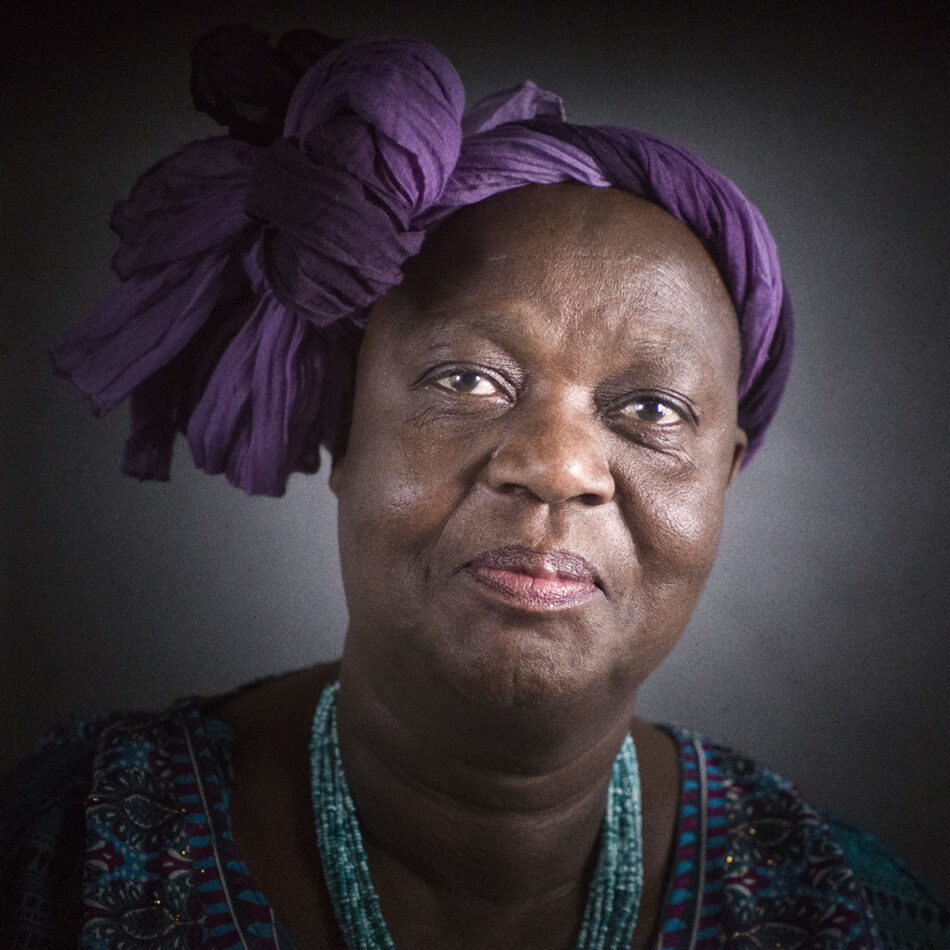
I was working with a family, and somebody had some kind of blisters that week. I was in Australia then. I was away from home, …
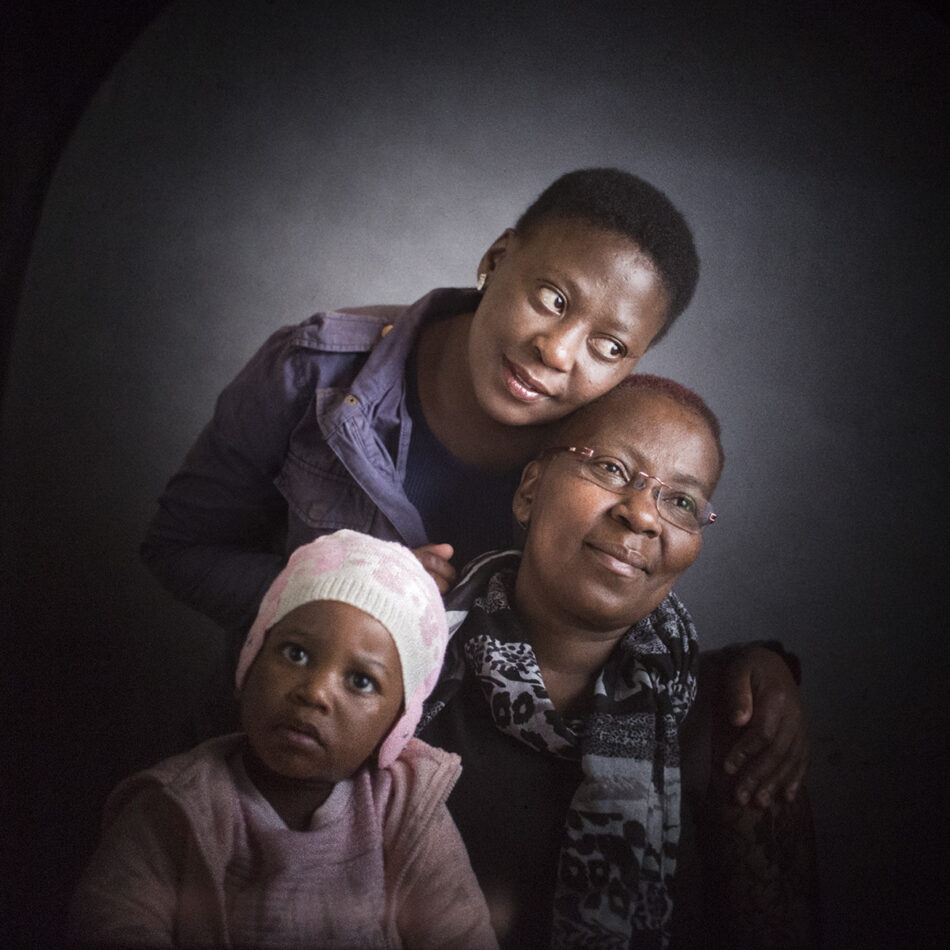
At least be there for the mothers! I always tell my daughter that she saw me struggling in front of her, bringing them up as a single parent. …
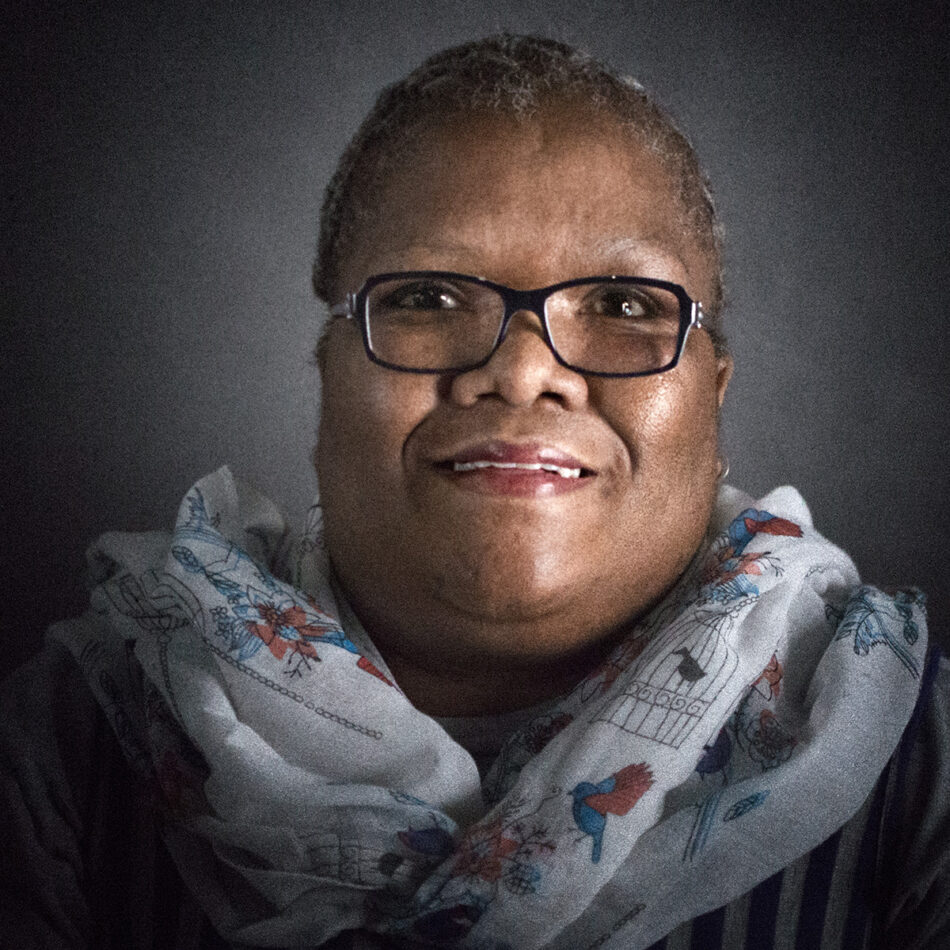
We need to remember that HIV is a justice issue. If we don’t deal with the structural injustices, people will continue being vulnerable to HIV …
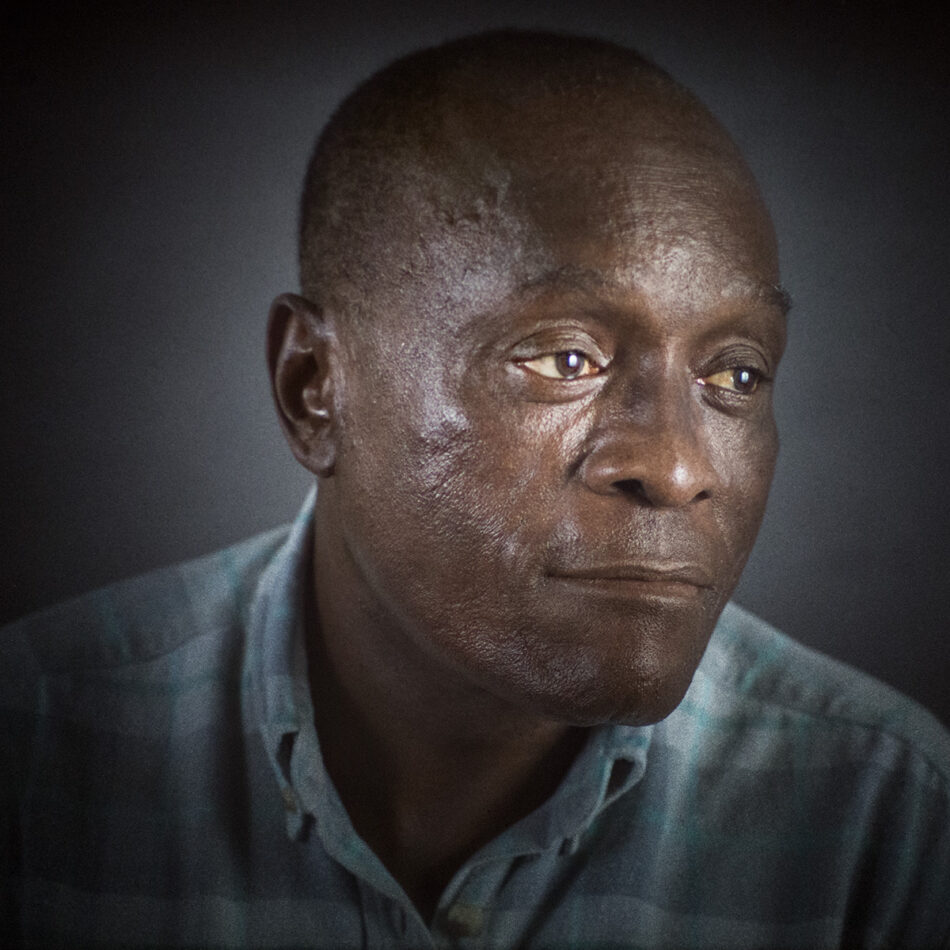
I remember it was about 15 years ago. I was constantly sick and I didn’t know what was wrong with me. When I was hospitalized for the last time, …
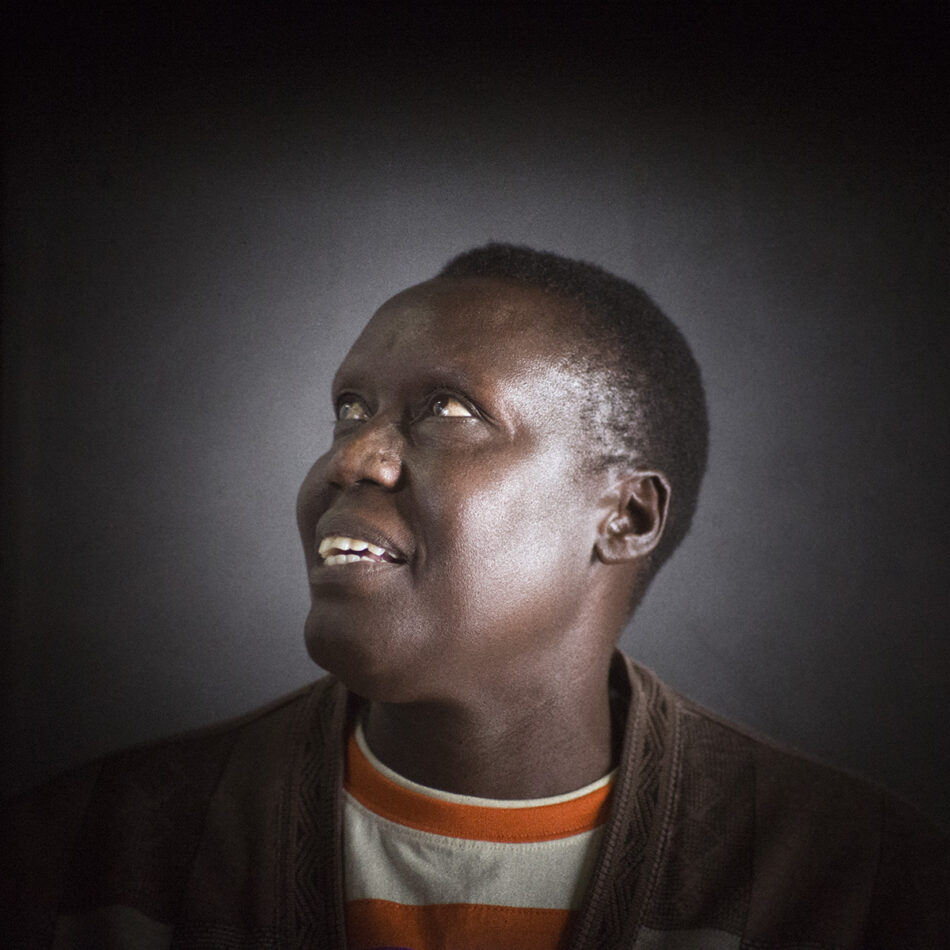
For a long time, I have been working with the media. I have been writing my stories, and that’s how I’ve been getting support. …
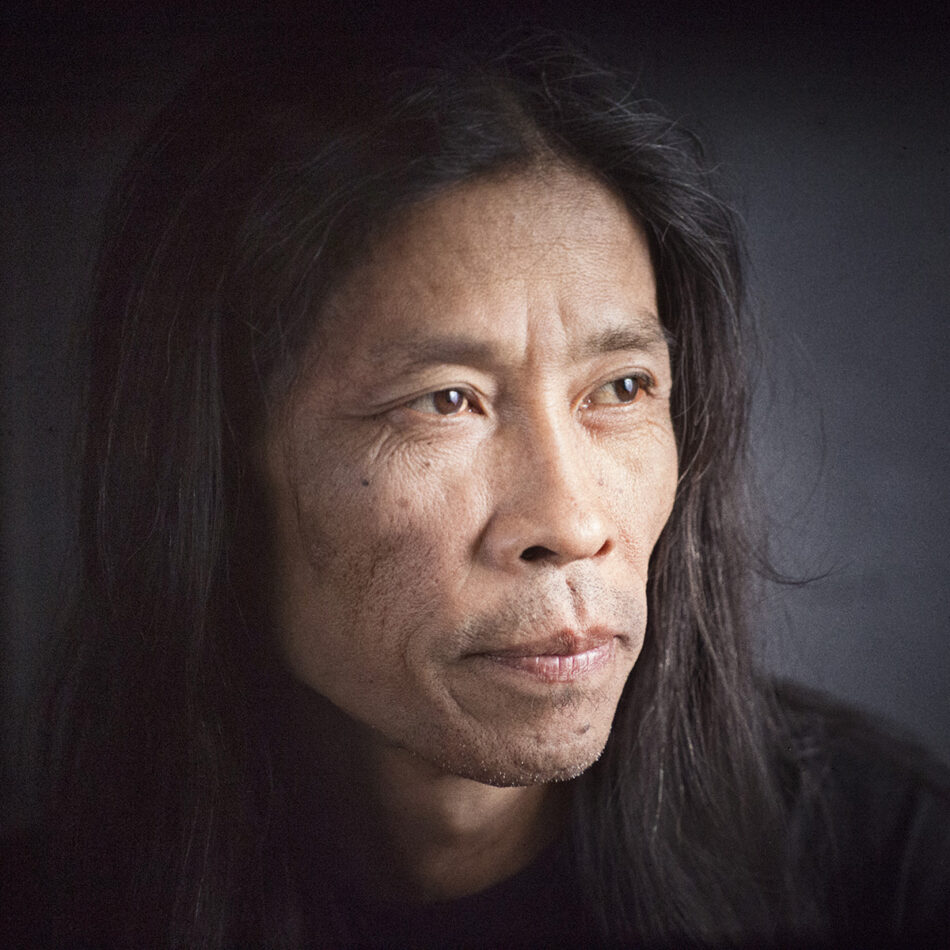
From 1983 to 1997, I am fully on heroin in between lots of rehab and lots of jail and lots of anything. From 1997 to about five, six, seven years, I’m totally on abstinence. …
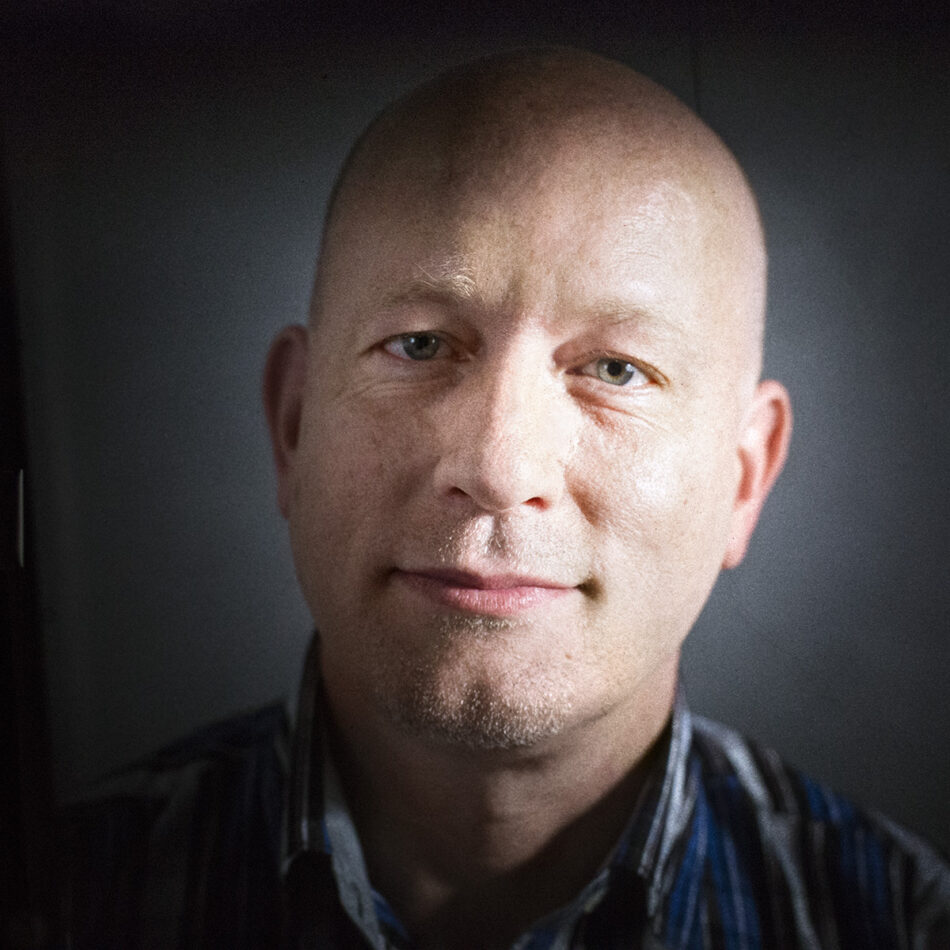
I was a closeted gay man working in international development. I had been a Peace Corps volunteer and was going to school for public health, …
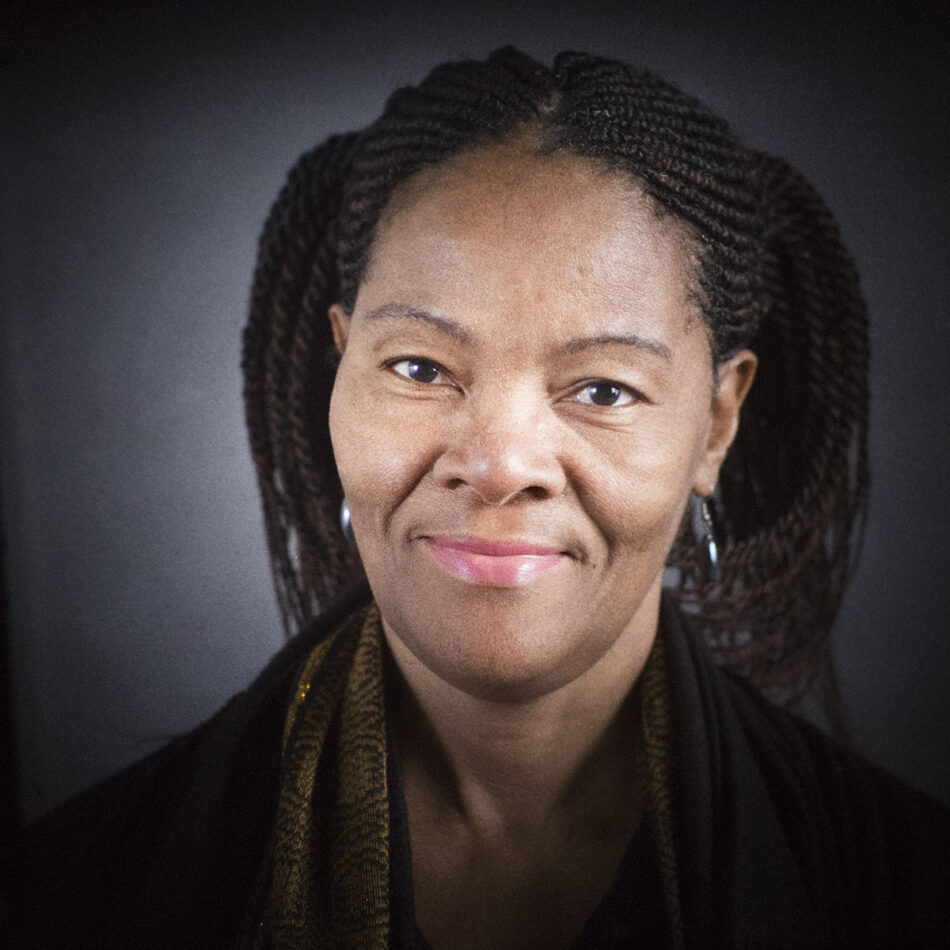
I actually don’t do “My Story.” I don’t do testimonies. People like other people’s business, so it’s not what I do. It’s about the issues. …
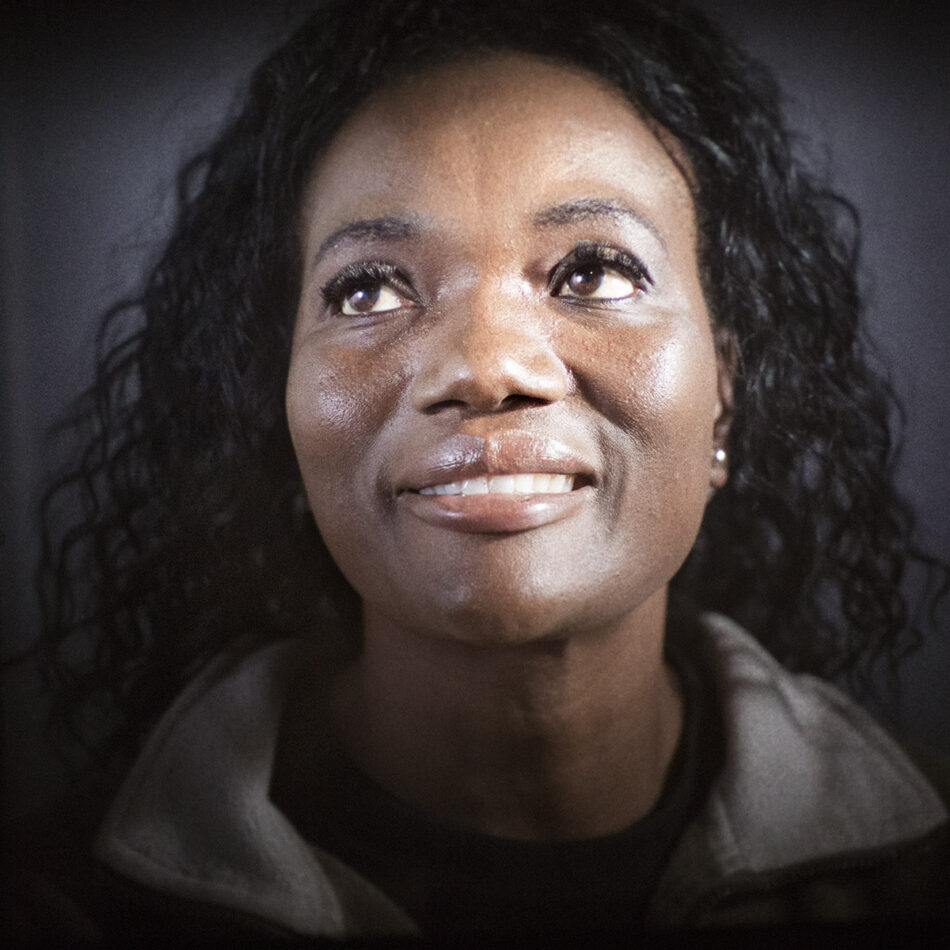
I was a model, I ran the largest modeling agency in Zimbabwe. And I looked the part. Coming from high society, it was rare to find people …
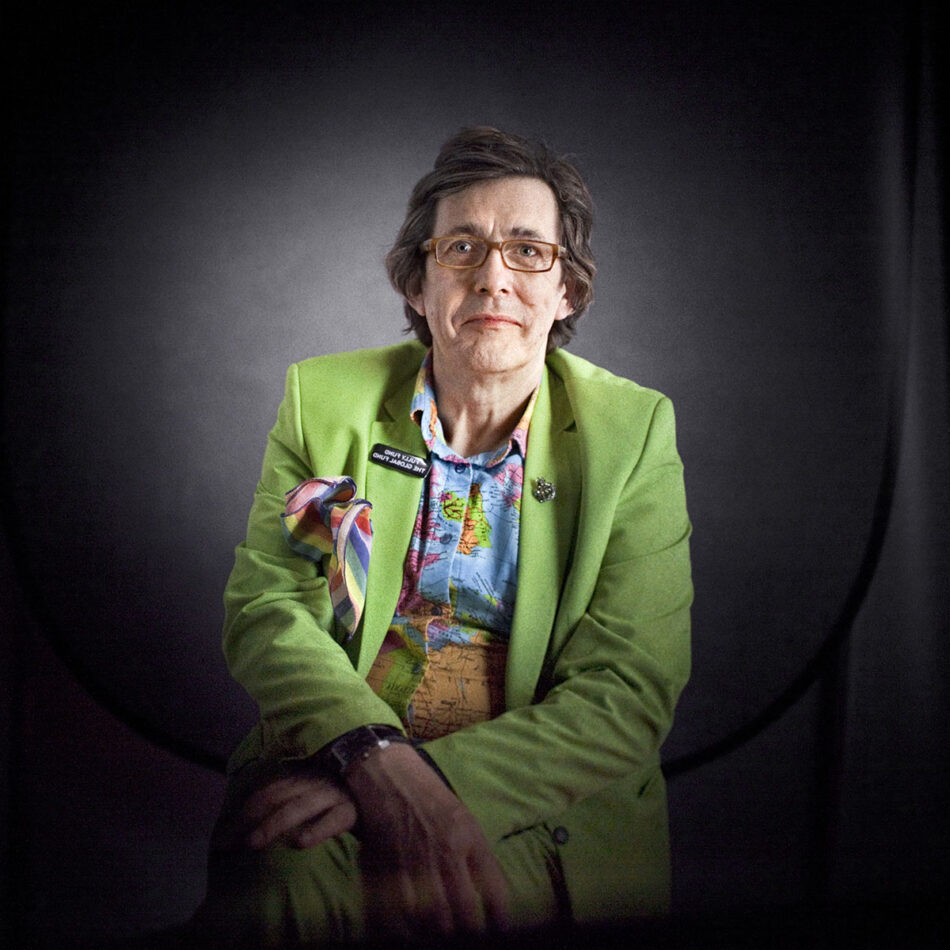
I’m the typical “helper.” Actually that’s really good therapy, it makes you reflect upon yourself. I was an activist in the ‘70s, in gay liberation, …

People were just dying in ’83 and ’84. All my friends were dying around me, and then a very good friend of mine was diagnosed with it in ’84. …
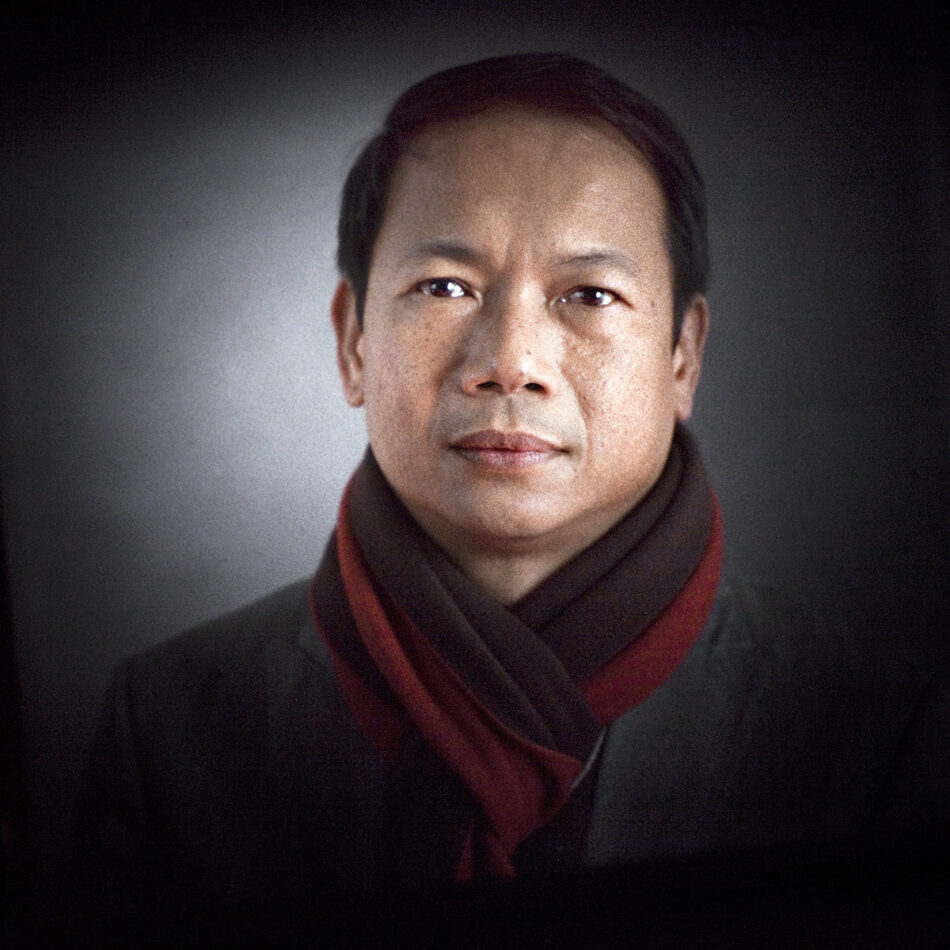
I think that my story is personal, it’s unique, and it is not tragic. And, I think it’s something that is probably a little bit different from other people’s …

We got kicked out of our church. We got kicked out of our small group. The pastor was in visiting me when the doctor told me, and he told his wife. And so we ended up having to leave …
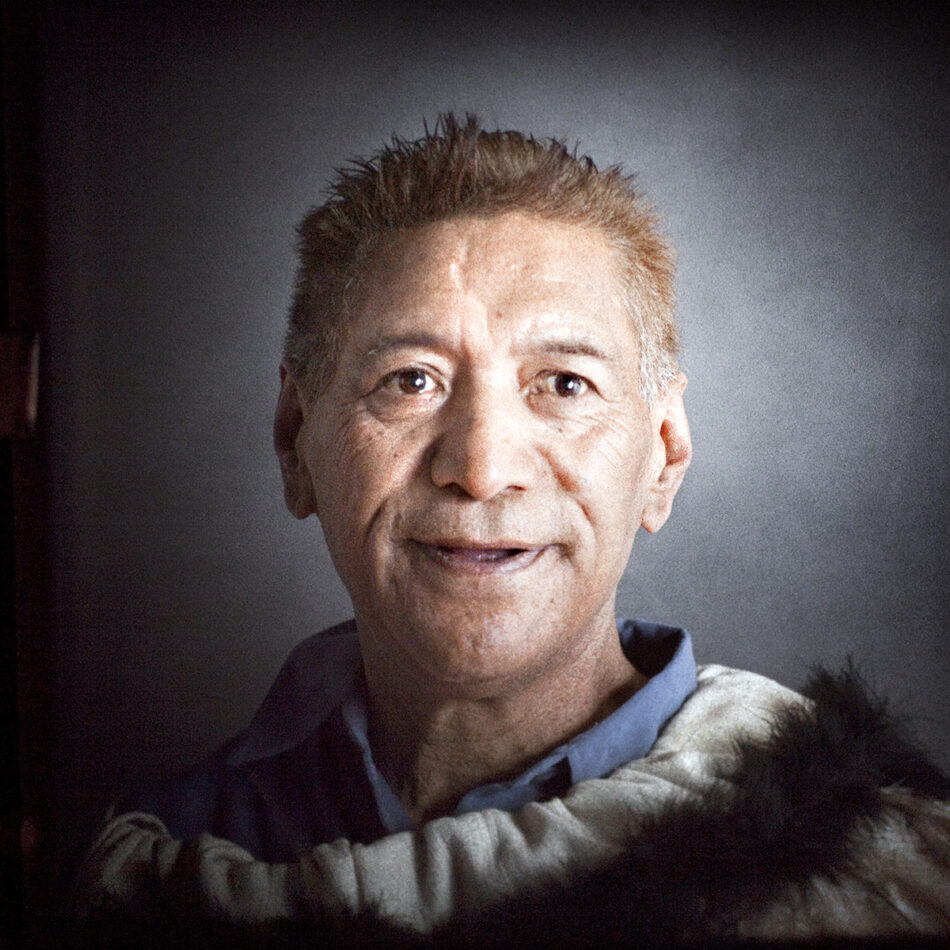
I was diagnosed in September 2010. I’ve only had it 4 years. It couldn’t have been much earlier than that. Because I was in a relationship, …
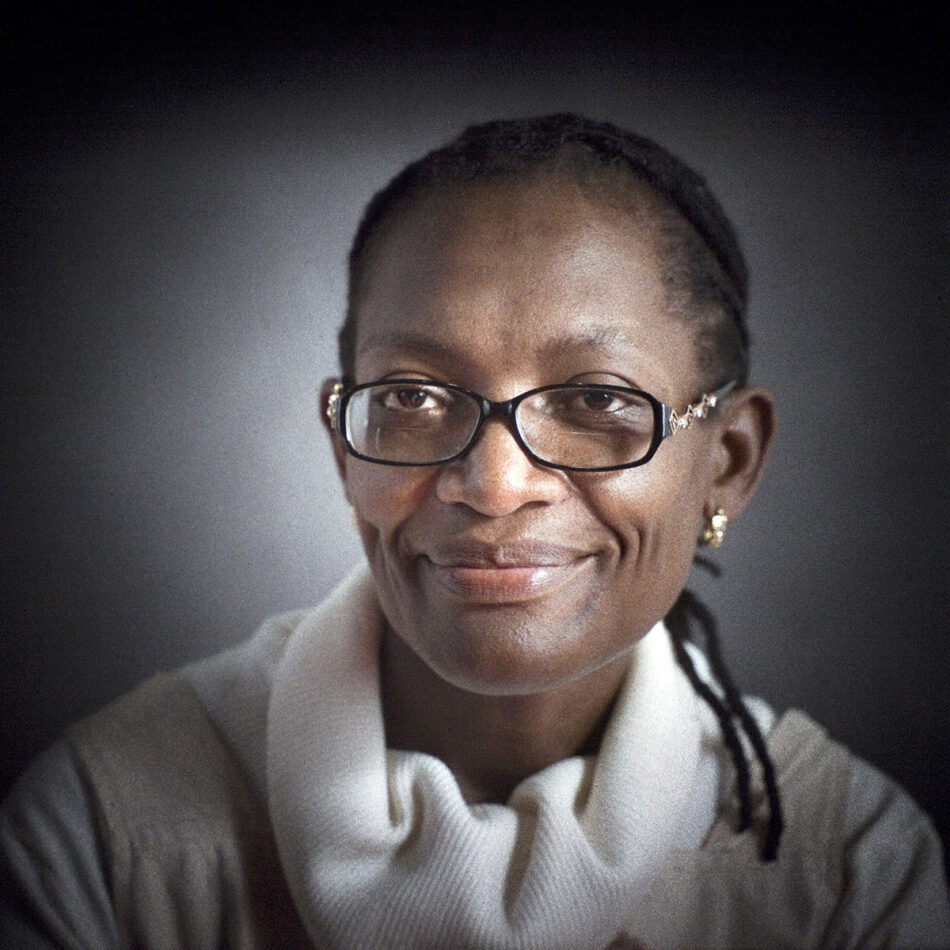
Despite the health personnel saying that, “You isolate her,” my sister was there for me. My mother was there. Would sleep in the same room. My sister would be next to me …

I told my family, and I do not have a full knowledge about HIV/AIDS, but I tell them I’m HIV-positive. The same day I’ve been kicked out by the family. And all my friends get away …
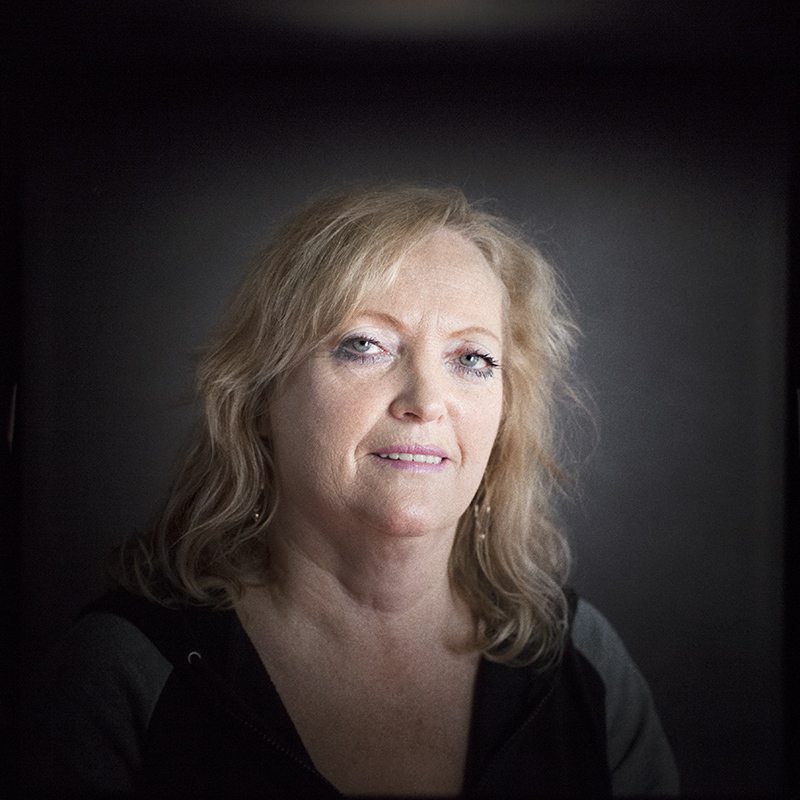
I always wanted a big family, you know – four to six children. My career was in childcare. I found out that I was positive and pregnant …

It’s very difficult to meet positive people, because mostly, they’re still too afraid to come out and disclose their status to almost anyone. And I really would like to have a positive …
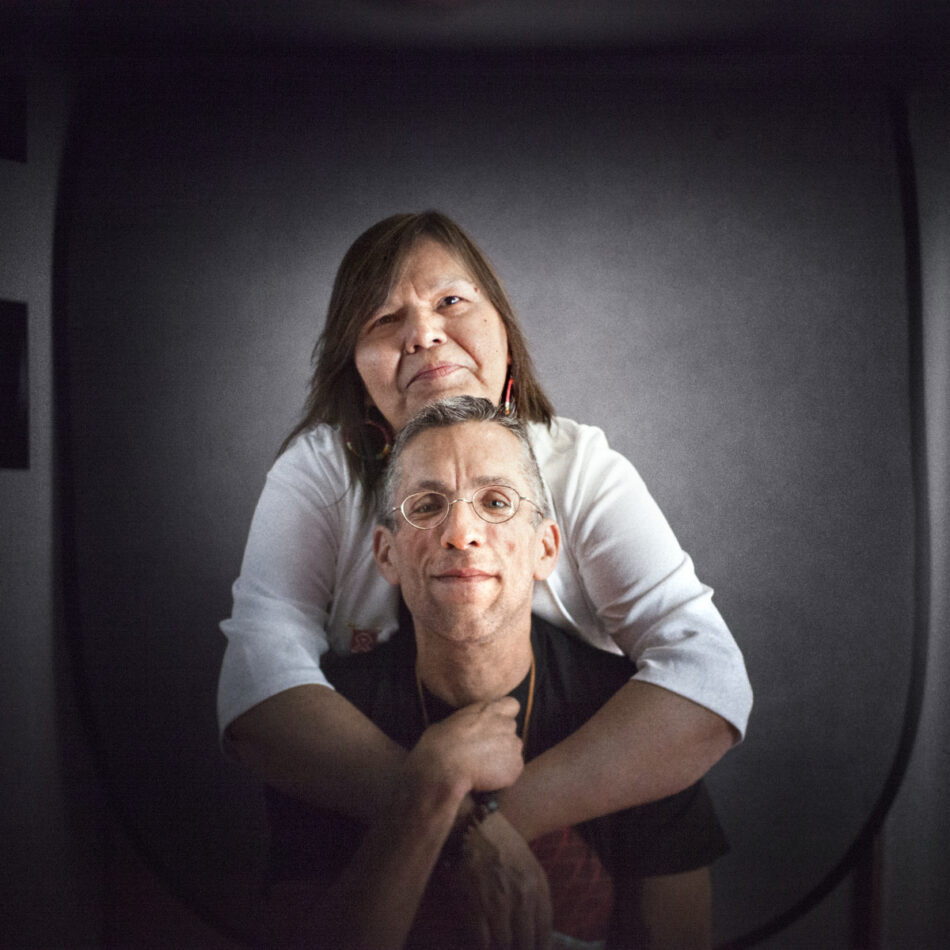
Doris: I was caught up in my addictions, and I thought the weight loss was connected to my substance use, until I started seeing …
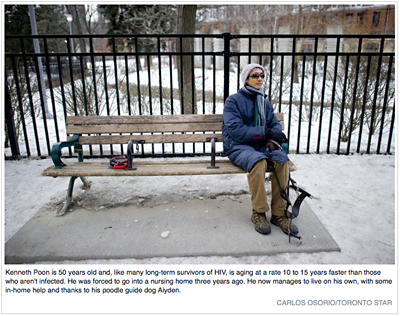
March 2nd, 2011
From thestar.com, the on-line face of The Toronto Star, comes word that many of the same challenges confronting long-term and nursing care providers in the U.S. are taxing providers further north, and many Canadians aging with the virus are struggling with the same pressures and fears facing their American peers, despite easier access to treatment under Canada’s health care system….
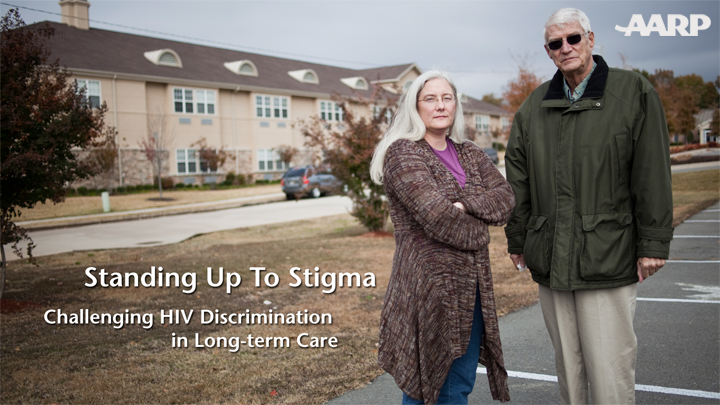
December 2nd, 2011
In honor of World AIDS Day (12/1/10), the website for the AARP Bulletin highlighted the story of Dr. Robert Franke and his family. The multimedia piece (created by Graying of AIDS Project Director Katja Heinemann) and accompanying article explore the challenges the family faced after Dr. Franke decided he was no longer able to care for himself, relocated to Little Rock …
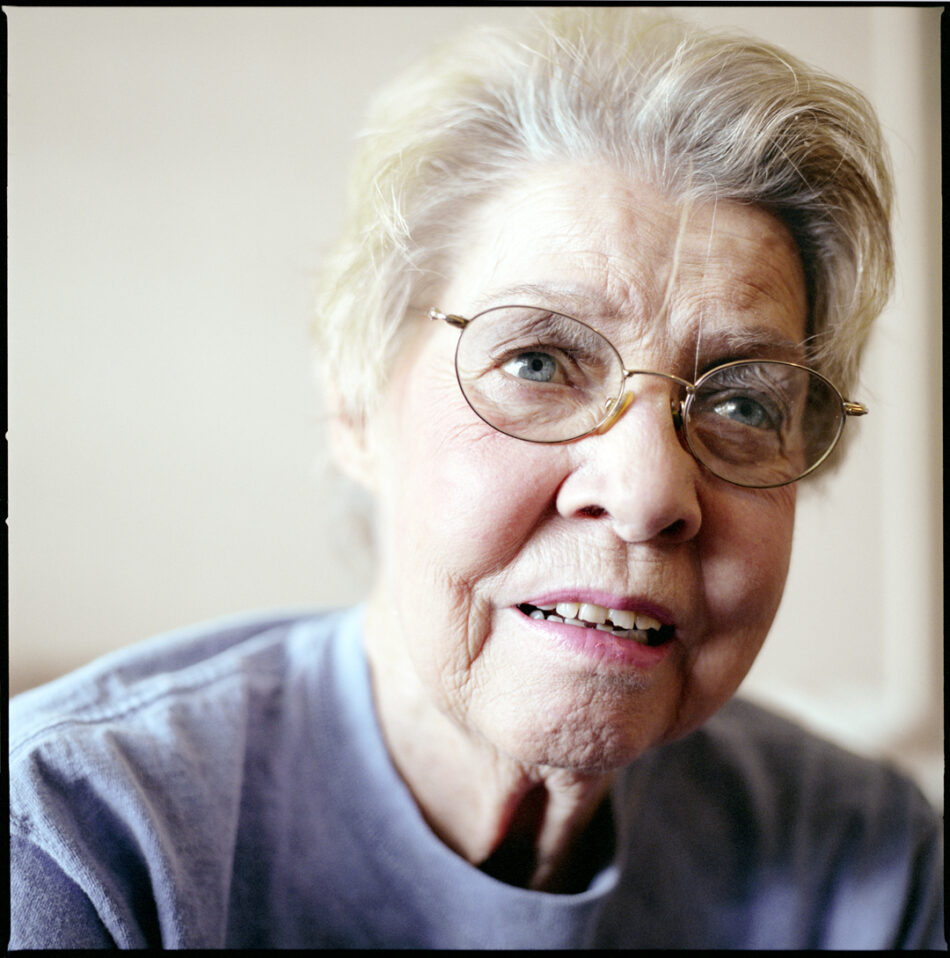
I’ve been to places like that where people over 50 live. And these ladies, older ladies, say: oh, but he’s so good looking, and he’s so clean. And he’s such a good dancer. Does she ever ask him if he’s ever been tested? …
Dealing with any illness can be difficult, but the stigma associated with certain diseases can add additional hardship in the form of judgment and social exclusion. …